
You're organizing an event and wondering whether to get a photomaton or a photobooth? Good news: these two terms actually refer to the same thing! Discover the history of photo booths and how to choose the ideal solution for your wedding, birthday, or corporate event in Switzerland.
Photomaton and Photobooth: Two Names, One Concept
In reality, photomaton and photobooth refer to exactly the same thing: an automated booth that takes photos and prints them instantly. The difference is simply linguistic:
- Photomaton is the French term, which became a common noun (like "Kleenex" for tissues)
- Photobooth is the English term, literally "photo cabin"
In French-speaking Switzerland, both terms are used interchangeably. At SwissBooth, we offer modern photobooths that combine the nostalgic charm of the photomaton with today's technology.
The History of the Photomaton: From 1925 to Today
The first photomaton was invented by Anatol Josepho in 1925 in New York. This revolutionary invention allowed people to get ID photos for the first time without a professional photographer.
The photomaton arrived in France in 1928 and quickly conquered Europe. It was mainly found in train stations, shopping centers, and government offices for ID photos.
Today, the photomaton has evolved: modern booths are no longer just for ID photos, but have become must-have entertainment for festive events.
Vintage Photomaton vs Modern Photobooth: The Differences
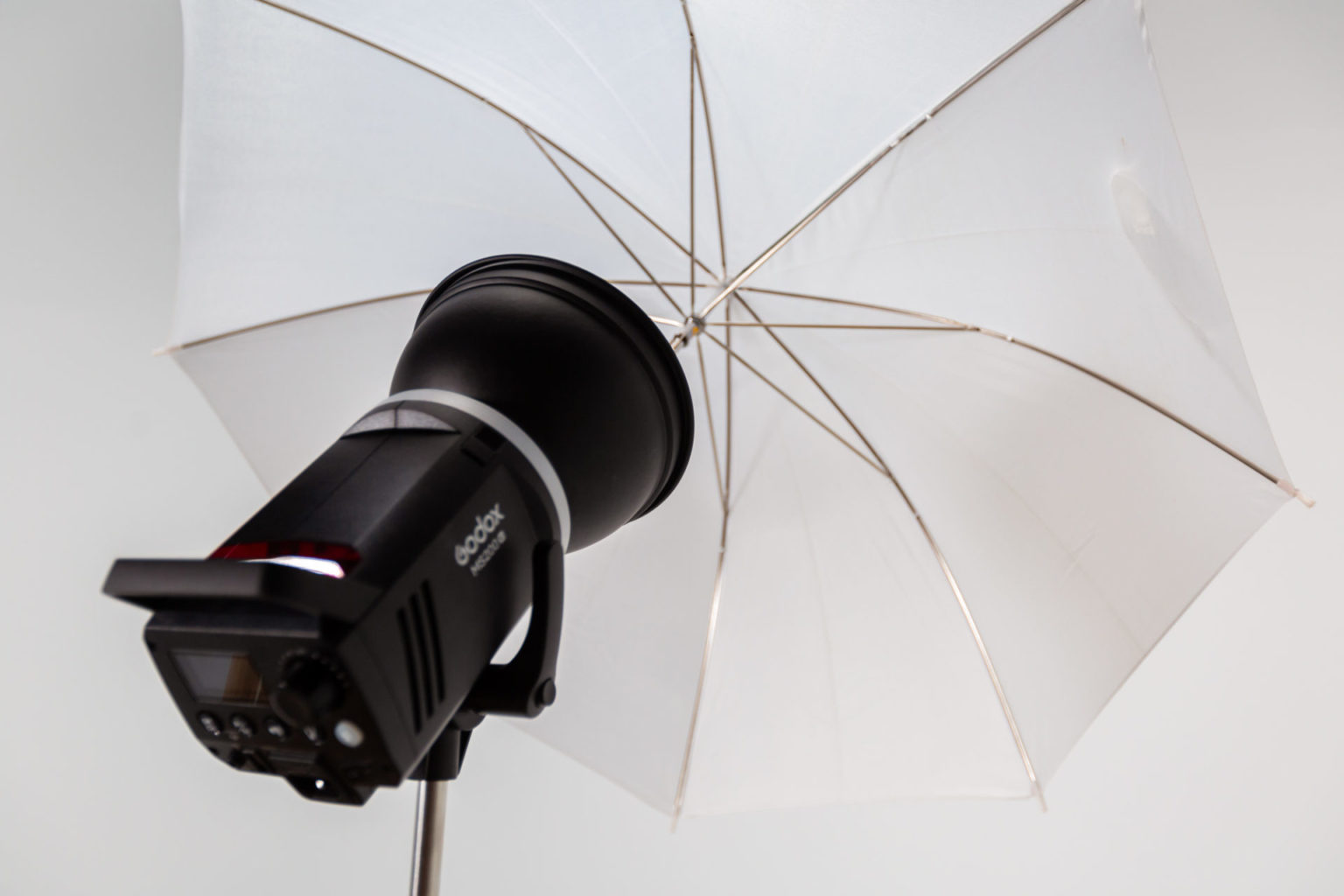
While the terms are synonymous, there are differences between vintage photomatons (80s-90s style) and modern photobooths:
| Feature | Vintage Photomaton | Modern Photobooth |
|---|---|---|
| Camera | Basic webcam | Professional Canon DSLR |
| Image Quality | Average | Professional (high resolution) |
| Printing | Narrow photo strip | Various formats (4x6", 6x8") |
| Customization | Limited | Custom design |
| Digital Sharing | No | QR code, email, online gallery |
| Design | Closed metal booth | Elegant stand (wood, designer metal) |
Which Type to Choose for Your Event in Switzerland?
The choice mainly depends on your expectations in terms of quality and aesthetics:
For a Wedding
We recommend a modern photobooth with an elegant design that matches your decor. The photo quality will match this unique day, and you can customize the prints with your names and your wedding date.
For a Corporate Event
The modern photobooth is ideal because it allows you to add your logo and corporate colors to the prints. It's an excellent tool for branding and team building.
For a Nostalgic or Retro Party
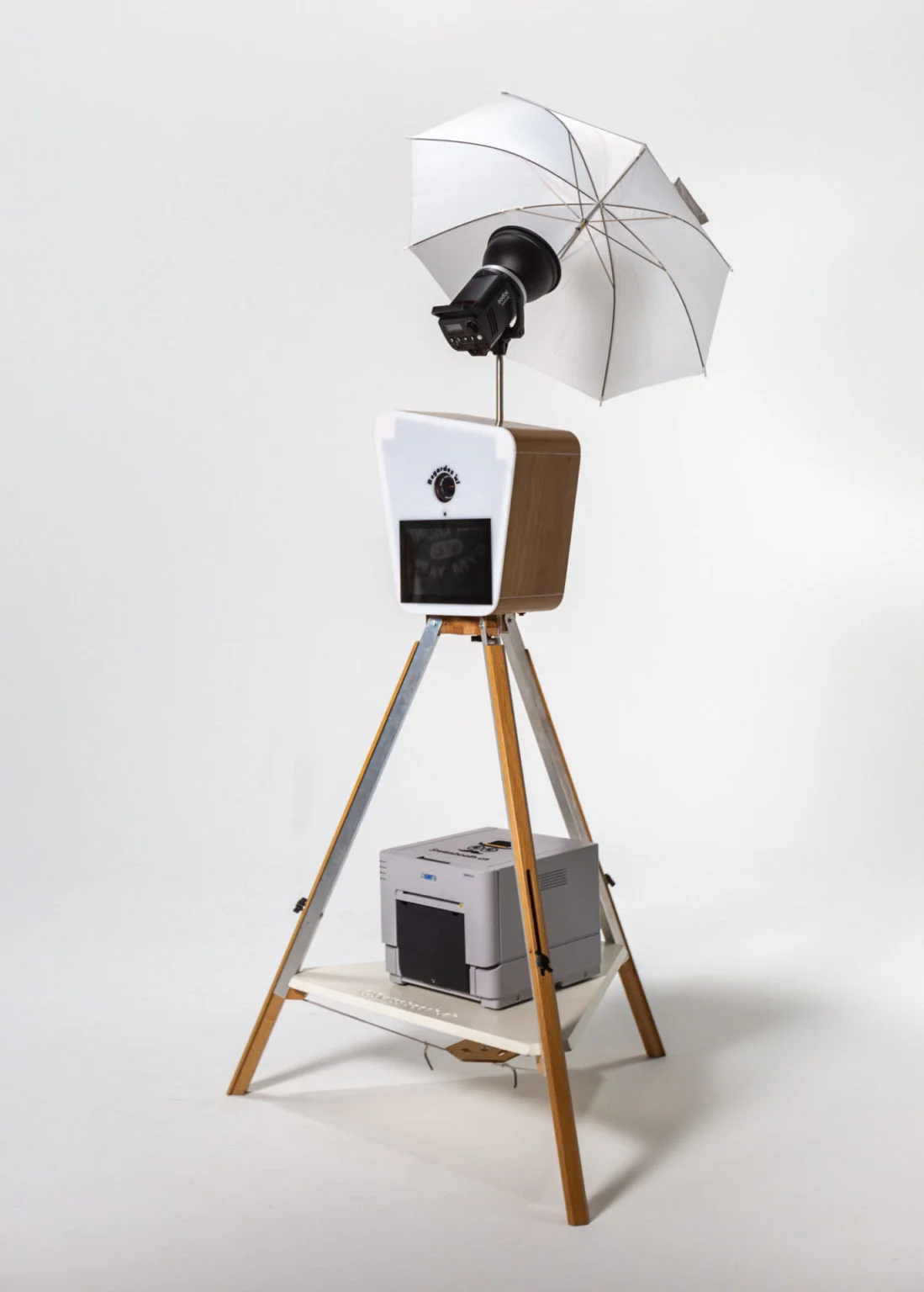
If your event has an 80s-90s vintage theme, a retro-style photomaton could be appropriate. However, our Woody wooden photobooth offers a timeless look that suits both modern and rustic settings.
The SwissBooth Photobooth: The Best of Both Worlds
Our Woody photobooth combines the authenticity of the photomaton with the advantages of modern technology:
- Swiss Made solid wood design, handcrafted in Switzerland
- Professional Canon camera for optimal quality
- DNP printer (photo lab quality)
- 400 prints included in the price
- Full customization of photo design
- Easy to use: your guests are autonomous
Photobooth Rental from CHF 499
Whether you call it a photomaton or photobooth, rent the best for your event in Western Switzerland.
Frequently Asked Questions
Photomaton or photobooth, which is cheaper?
Prices are generally similar. At SwissBooth, rental is CHF 499 incl. VAT for 24 hours, including 400 prints and all professional equipment.
Can I rent a photomaton in Lausanne or Geneva?
Yes! SwissBooth delivers throughout French-speaking Switzerland, including Lausanne and Geneva. Free pickup is available in Lussy-sur-Morges and Aubonne.
Does the photobooth work without an attendant?
Yes, our photobooth is fully autonomous. Your guests can use it on their own thanks to an intuitive interface. Setup is very simple: an online user guide walks you through step by step, and assembly takes only 10 minutes maximum.